

Introduction
If you’ve ever stood in line at a BBQ spot debating between brisket and tri-tip, you’re not alone. The brisket vs tri-tip debate is one of the most common decisions BBQ lovers face—and for good reason.
Both cuts are flavorful, both are staples in American barbecue, and both can be incredible when done right. But they’re not interchangeable. Choosing the wrong one for your taste—or your event—can completely change your experience.
The difference comes down to more than just taste. It’s about texture, cooking style, fat content, and even regional BBQ traditions. Whether you’re ordering for yourself or planning a group meal from a place like Del’s Hideout, understanding these differences helps you order smarter.
Let’s break it down so you know exactly which one to pick—and when.
TLDR – Quick Guide
If you just want the fast answer:
- Brisket = rich, smoky, tender, slow-cooked
- Tri-tip = leaner, beefy, slightly firmer, grilled or roasted
- Brisket is better for classic BBQ flavor
- Tri-tip is better for lighter, steak-like texture
- For parties: brisket is usually the safer crowd-pleaser
What Is Brisket?
Brisket comes from the lower chest of the cow, which means it’s a heavily worked muscle. Because of this, it’s naturally tough—but also packed with connective tissue and fat that break down during slow cooking.
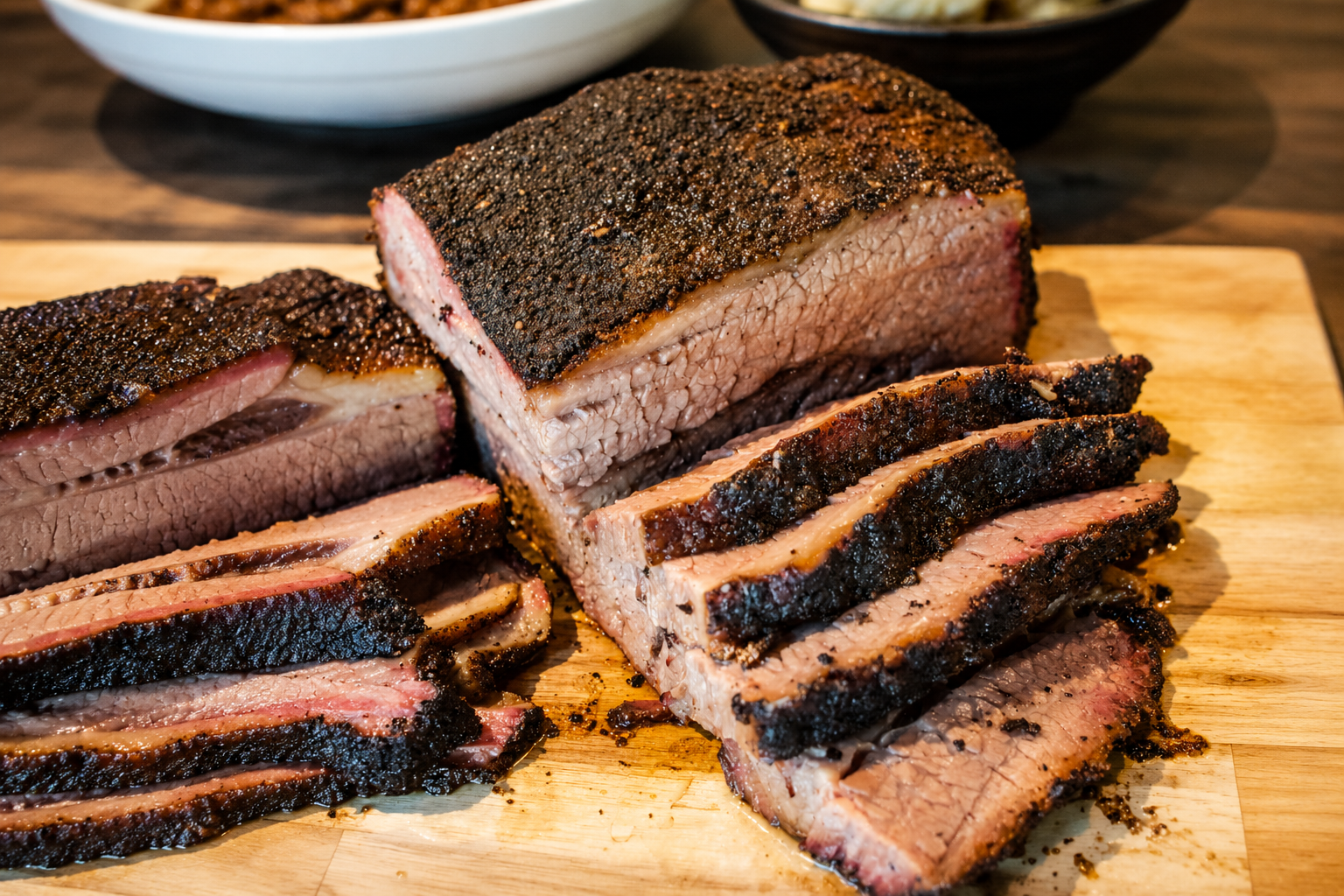
When cooked properly, brisket becomes incredibly tender, juicy, and infused with deep smoky flavor. It’s the cornerstone of Texas-style BBQ and often considered the gold standard for smoked meat.
Brisket is typically cooked low and slow for anywhere between 10 to 16 hours. This long cooking process allows the fat to render and the meat to soften, creating that signature melt-in-your-mouth texture.
If you’ve browsed a full BBQ menu selection, you’ll notice brisket is almost always positioned as a premium item—and for good reason. It’s labor-intensive, time-consuming, and incredibly rewarding when done right.
What Is Tri-Tip?
Tri-tip is a triangular cut from the bottom sirloin. Unlike brisket, it’s a less-worked muscle, which makes it naturally more tender without requiring long cooking times.
Tri-tip is often grilled or roasted rather than smoked for extended hours. It’s typically cooked to medium-rare or medium, then sliced against the grain for maximum tenderness.
The flavor is bold and beefy, more similar to a steak than traditional BBQ. It has less fat than brisket, which gives it a cleaner, lighter bite.
Because it cooks faster and is easier to prepare, tri-tip is often seen as a more casual or versatile option compared to brisket.
Key Differences Between Brisket and Tri-Tip
Cut and Structure
Brisket is a large, tough cut from the chest, while tri-tip is a smaller, more tender cut from the sirloin. This difference alone impacts everything—from cooking time to texture.
Cooking Style
Brisket is slow-smoked over many hours, while tri-tip is usually grilled or roasted quickly. This leads to completely different flavor profiles.
Texture
Brisket is soft, juicy, and almost shreddable when done right. Tri-tip is firmer and more structured, similar to a steak.
Flavor
Brisket delivers deep, smoky richness due to its fat content and long cooking time. Tri-tip has a more straightforward beef flavor with less smokiness.
Fat Content
Brisket contains more fat, which contributes to its tenderness and flavor. Tri-tip is leaner, making it a lighter option overall.
Which One Should You Order?
Choosing between brisket vs tri-tip depends on what you’re looking for.
If you want that classic BBQ experience—smoky, tender, and indulgent—brisket is the obvious choice. It’s rich, satisfying, and widely considered the highlight of any BBQ spread.
If you prefer something lighter, with a firmer bite and a more steak-like feel, tri-tip is a better fit. It’s easier to eat in larger portions without feeling overly full.
For group settings or catering, brisket tends to be the safer option because it appeals to a wider audience. If you’re planning a larger order through BBQ catering services, brisket usually performs better as a centerpiece protein.
That said, the best move is often not choosing between them—but serving both. Offering variety improves the overall experience and ensures there’s something for everyone.
When Brisket Is the Better Choice
Brisket shines in situations where you want to impress or deliver a traditional BBQ experience.
It’s ideal for events where food is the main focus, such as family gatherings, celebrations, or catered parties. Its rich flavor and tender texture make it memorable and satisfying.
Brisket also holds heat well, which makes it a strong option for larger events where food may sit out for a bit before being served.
When Tri-Tip Makes More Sense
Tri-tip is a great choice when you want something more casual, quicker, or lighter.
It works well for smaller gatherings or when BBQ is part of a broader menu rather than the main attraction. Its steak-like texture also appeals to people who may not be as into traditional smoked meats.
Tri-tip is also easier to portion and serve quickly, making it a practical option for more relaxed events.
Common Mistakes When Choosing Between the Two
One of the biggest mistakes people make in the brisket vs tri-tip debate is assuming they’re interchangeable. They’re not. Each cut delivers a completely different experience.
Another mistake is choosing based only on price. While tri-tip is often more affordable, brisket offers a depth of flavor and texture that’s hard to replicate.
Finally, not considering your audience can lead to the wrong choice. A group expecting classic BBQ will likely prefer brisket, while a mixed crowd might appreciate the balance of both.
Key Takeaways
- Brisket and tri-tip are completely different cuts with distinct textures, flavors, and cooking methods
- Brisket is slow-smoked, rich, and tender—ideal for a classic BBQ experience
- Tri-tip is leaner, quicker to cook, and has a firmer, steak-like texture
- Brisket is typically the better choice for large groups and traditional BBQ gatherings
- Tri-tip works well for lighter meals or more casual settings
- Serving both brisket and tri-tip offers variety and satisfies a wider range of preferences
FAQs
What is the main difference between brisket vs tri-tip?
The main difference lies in the cut and cooking style. Brisket is a tough cut that becomes tender through slow smoking, while tri-tip is naturally tender and usually grilled. This results in different textures and flavor profiles.
Is brisket or tri-tip more tender?
Brisket is more tender when cooked properly because of its long cooking process. The slow smoking breaks down connective tissue, making it soft and juicy. Tri-tip is tender but has a firmer, steak-like bite.
Which is better for BBQ parties, brisket or tri-tip?
Brisket is generally better for BBQ parties because it appeals to a wider audience. Its rich flavor and soft texture make it a crowd favorite. Tri-tip works well as a secondary option for variety.
Is tri-tip healthier than brisket?
Tri-tip is typically leaner and contains less fat than brisket. This makes it a lighter option for those watching their fat intake. However, brisket offers more richness and flavor due to its higher fat content.
Can you serve both brisket and tri-tip together?
Yes, serving both is often the best option. It provides variety and caters to different preferences. This approach works especially well for larger gatherings and catered events.